 Fo Guang Shan Buddha Museum


The New Ethics of Museum Collecting
Beyond Possession: The New Ethics of Museum Collecting
Text ∕ Buddha Museum International Affairs Department
Photos∕Fo Guang Shan Buddha Museum
Chase F. Robinson, Director of the Smithsonian National Museum of Asian Art, made his first visit to Taiwan on February 28. During his visit to the Fo Guang Shan Buddha Museum, he delivered a keynote lecture titled: “The Second Century of the National Museum of Asian Art: Museum as Global Resource.” In the talk, he shared the museum’s development direction and future plans, drawing prominent figures and scholars from the Taiwanese and American museum communities for dialogue and exchange.
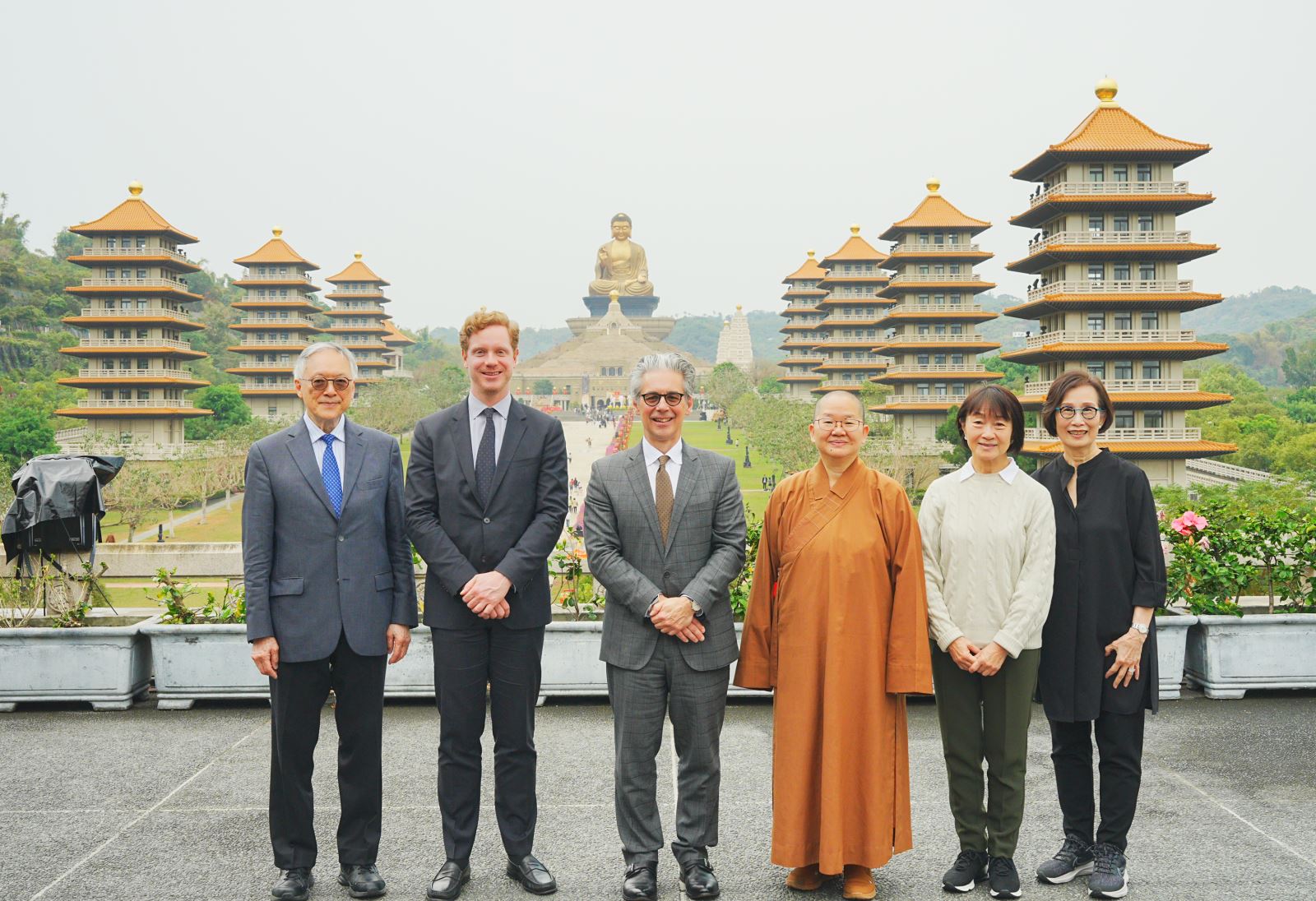
美國史密森尼亞洲藝術博物館蔡斯・羅賓遜館長及佛館館長如常法師、佛光祖庭宜興大覺寺信徒總代表趙元修、趙辜懷箴伉儷合影
In the presentation, Director Chase Robinson shared a profound shift in institutional philosophy. It is no longer sufficient for a museum to simply "possess" history; the real challenge lies in accounting for how that history was acquired and taking full responsibility for its provenance.
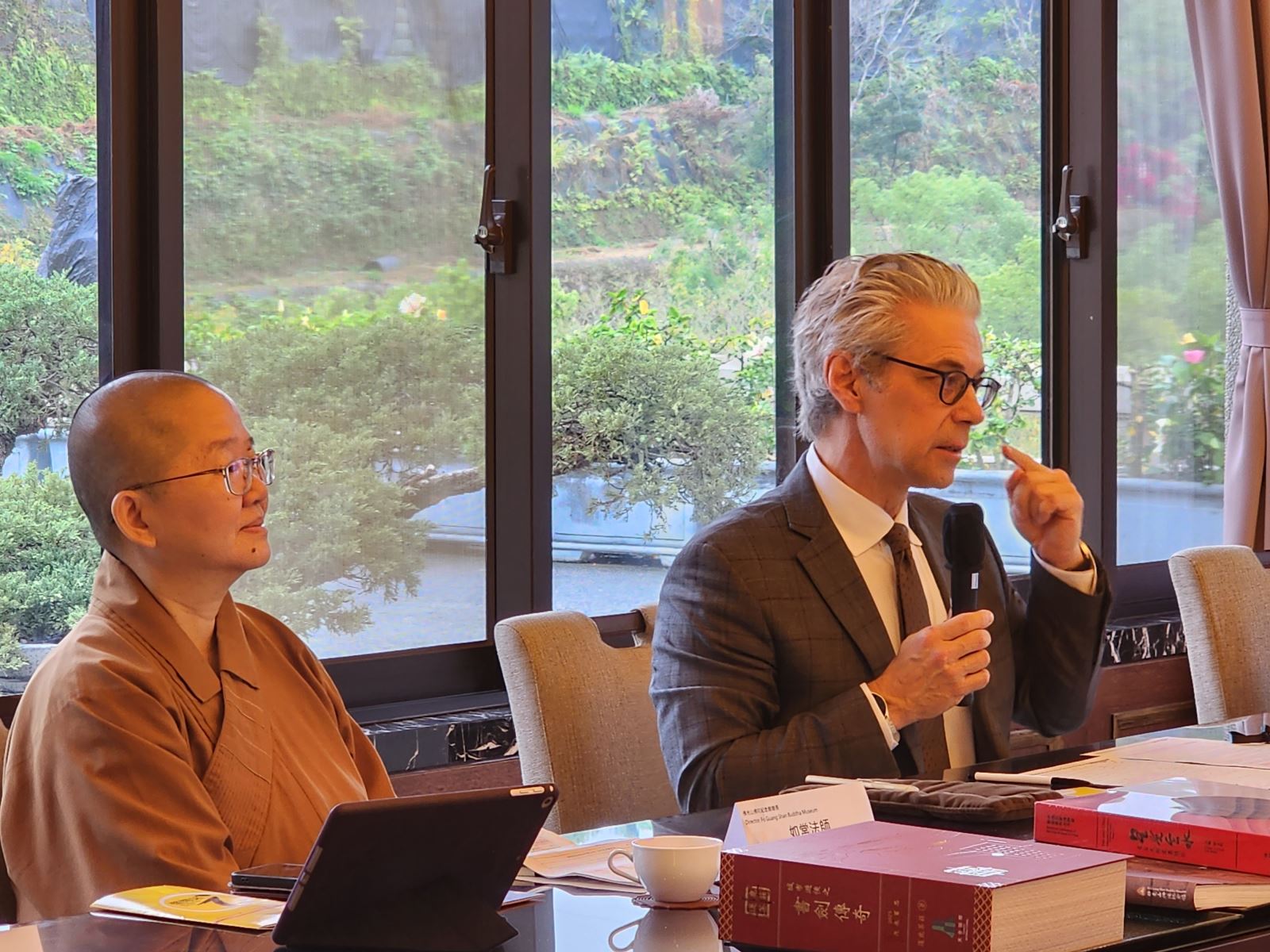
美國史密森尼亞洲藝術博物館館長蔡斯・羅賓遜發表專題演講
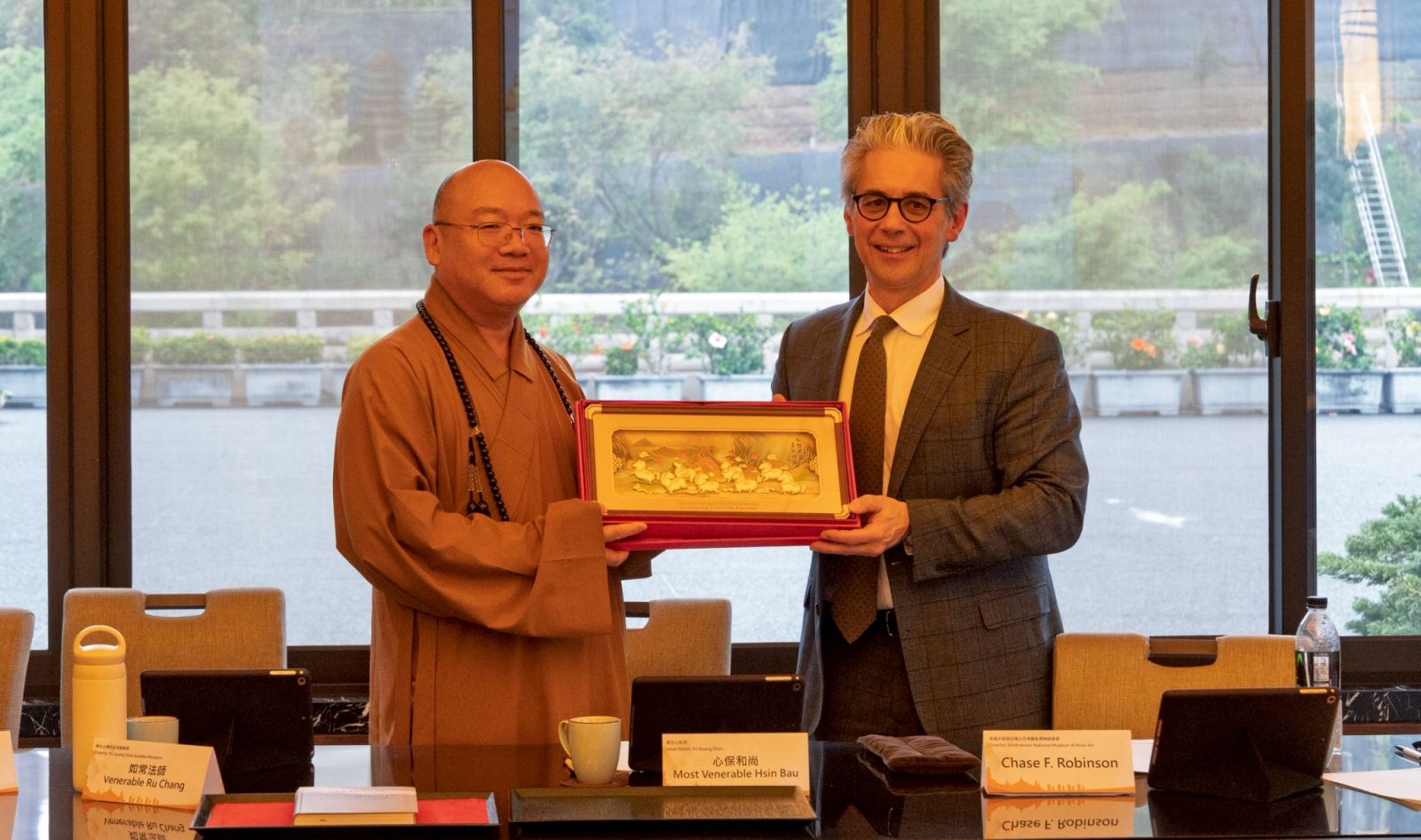
佛光山住持心保和尚致贈「和諧共生 馬到成功」匾額予蔡斯・羅賓遜館長
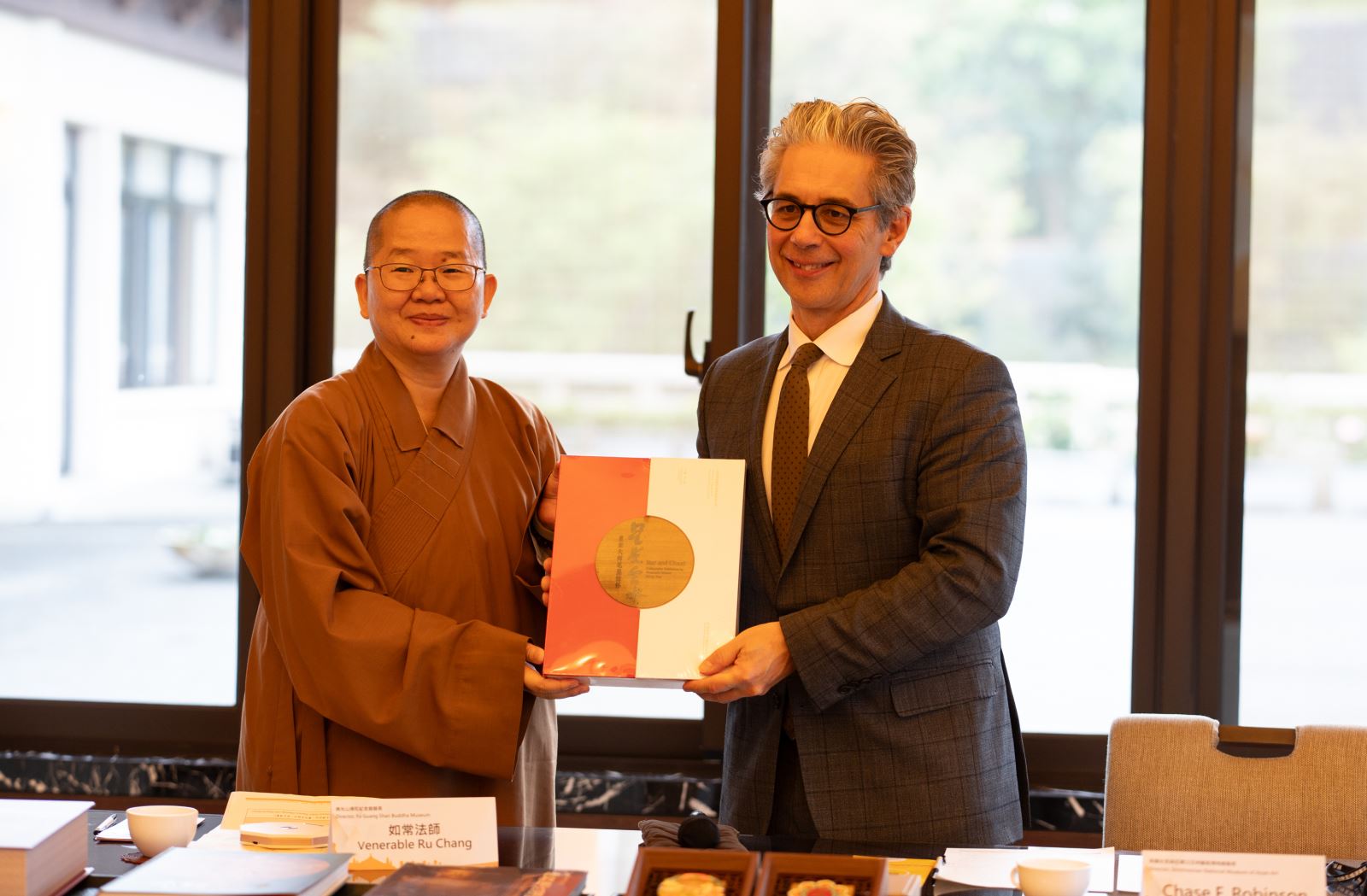
佛館館長如常法師致贈《星光雲水—星雲大師筆墨情懷》予蔡斯・羅賓遜館長
The museum has demonstrated a strong commitment by employing four full-time staff dedicated solely to provenance research. Director Robinson noted that few museums of comparable size–or even those many times larger–invest in such specialized personnel. This investment is driven by three core motivations: the power of storytelling, social responsibility, and the absolute integrity of their collection.
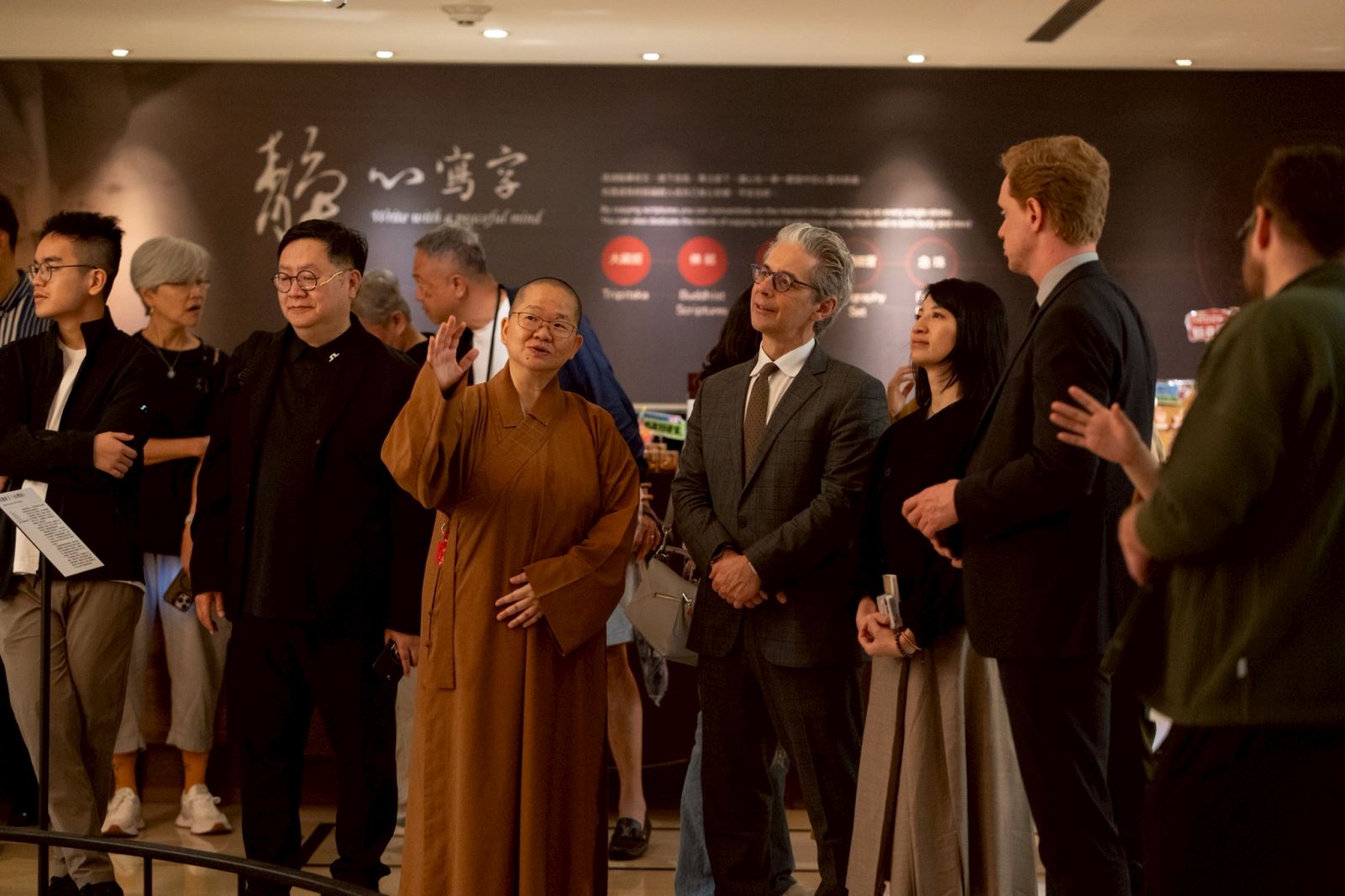
佛館館長如常法師為蔡斯・羅賓遜館長介紹麥積山石窟藝術展
The first reason is to tell a more complete story. Artifacts are not just merely aesthetic objects; they are, in a sense, "travelers." By tracing the passage of an object, the museum can explore the deep histories of family heirlooms, their movement across borders, and how their meanings have evolved over time. These narratives breathe life and human warmth into the gallery displays.
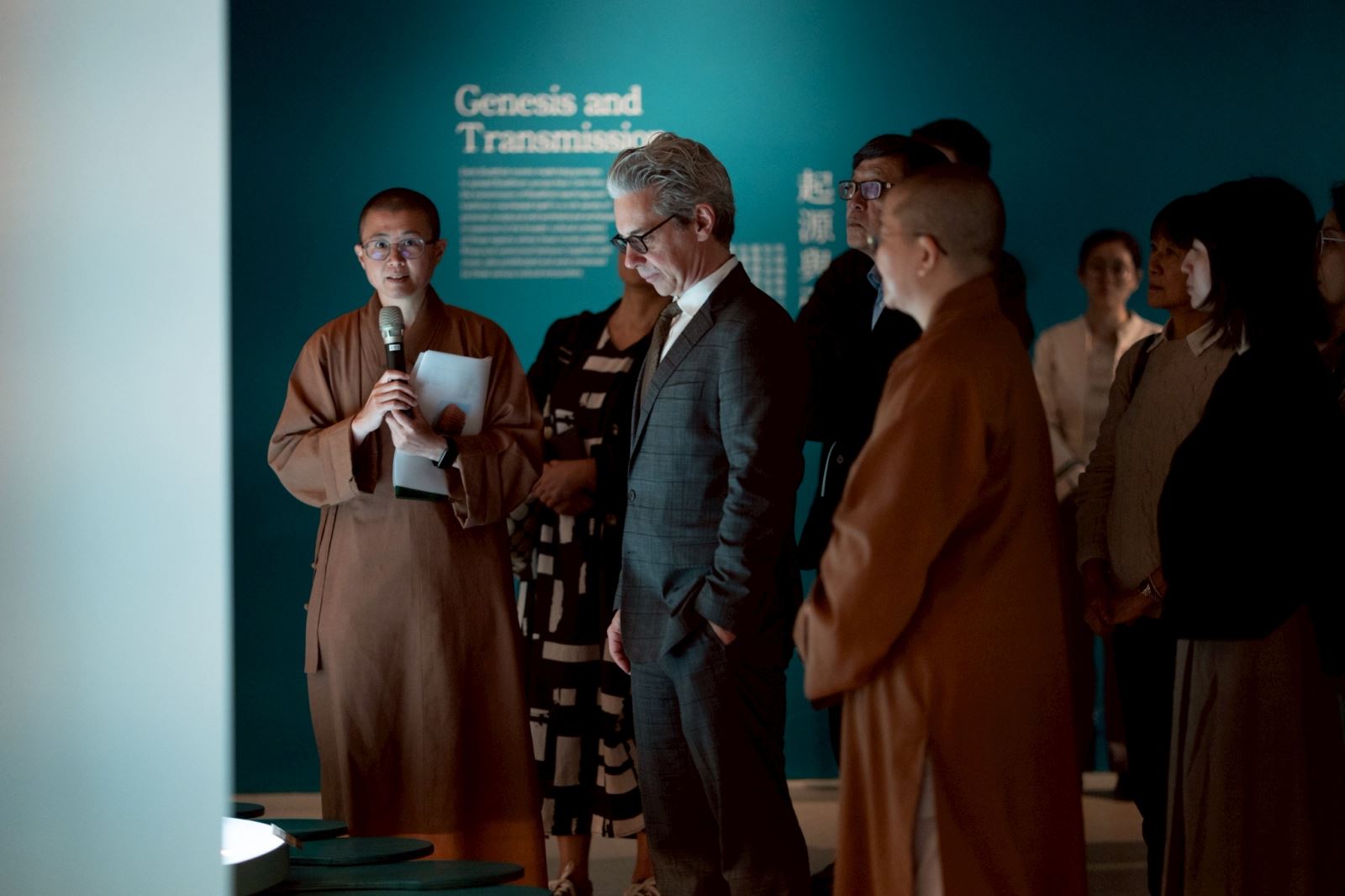
蔡斯・羅賓遜館長在館長如常法師陪同下,由行政暨國際組副主任有律法師導覽介紹佛教海線絲路新媒體藝術特展
Secondly, museums must confront the reality of smuggling. Director Robinson candidly acknowledged that over the past several decades, many museums and private collectors have benefited from illegal markets. To counter this, the museum now actively displays artifacts that were smuggled and intercepted by the FBI, while also training law enforcement officials to spot illicitly traded goods.
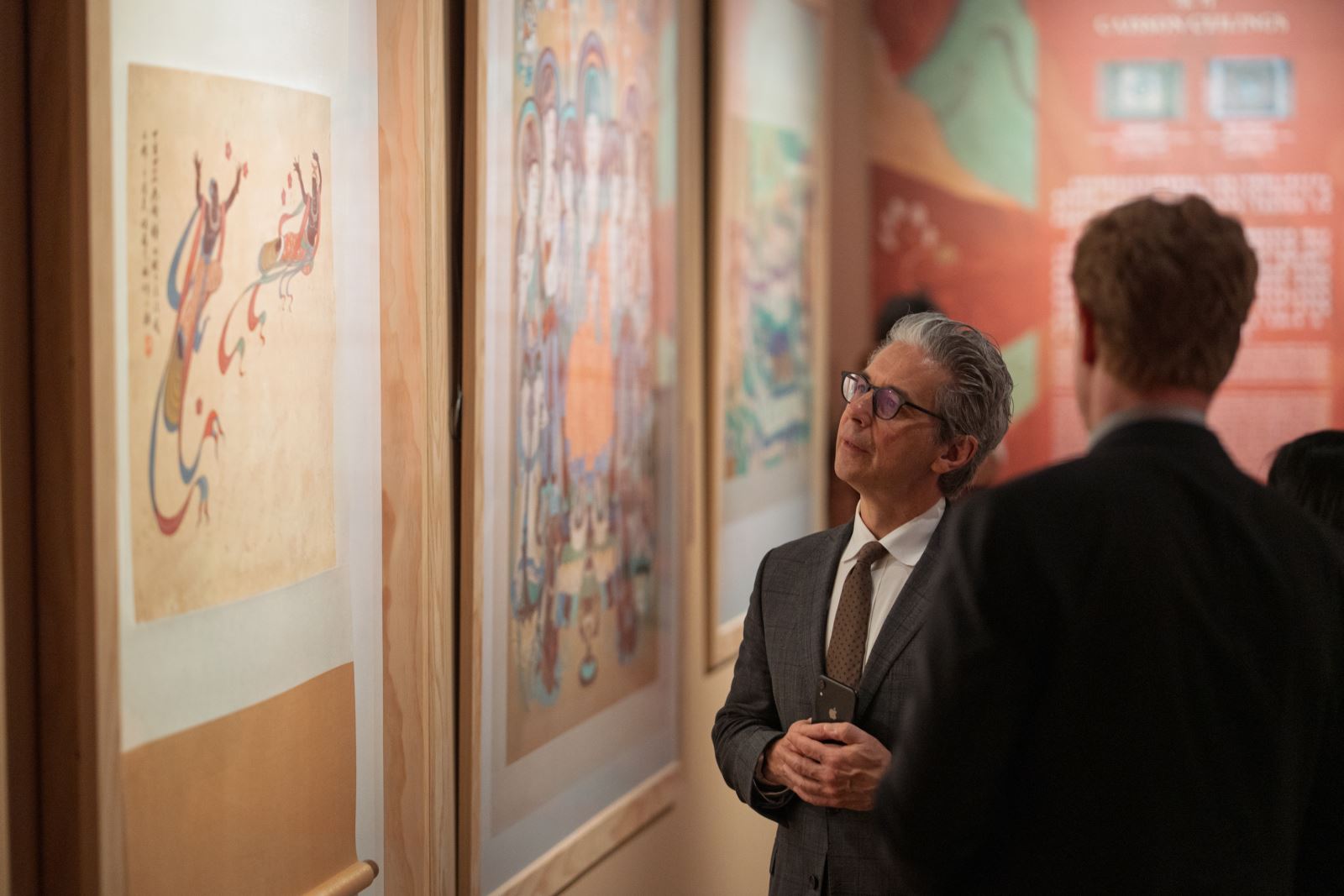
蔡斯・羅賓遜館長欣賞華彩萬象石窟藝術沉浸體驗之敦煌石窟壁畫的畫面
Finally, there is the matter of repatriation. Perhaps the most striking takeaway is the museum’s move toward a policy based on "ethics" rather than just "legality." Recently,the museum proactively returned several artifacts to India and Cambodia. These actions were not triggered by legal demands from those countries, but by the museum’s own research, which deemed the original acquisitions unethically sourced.
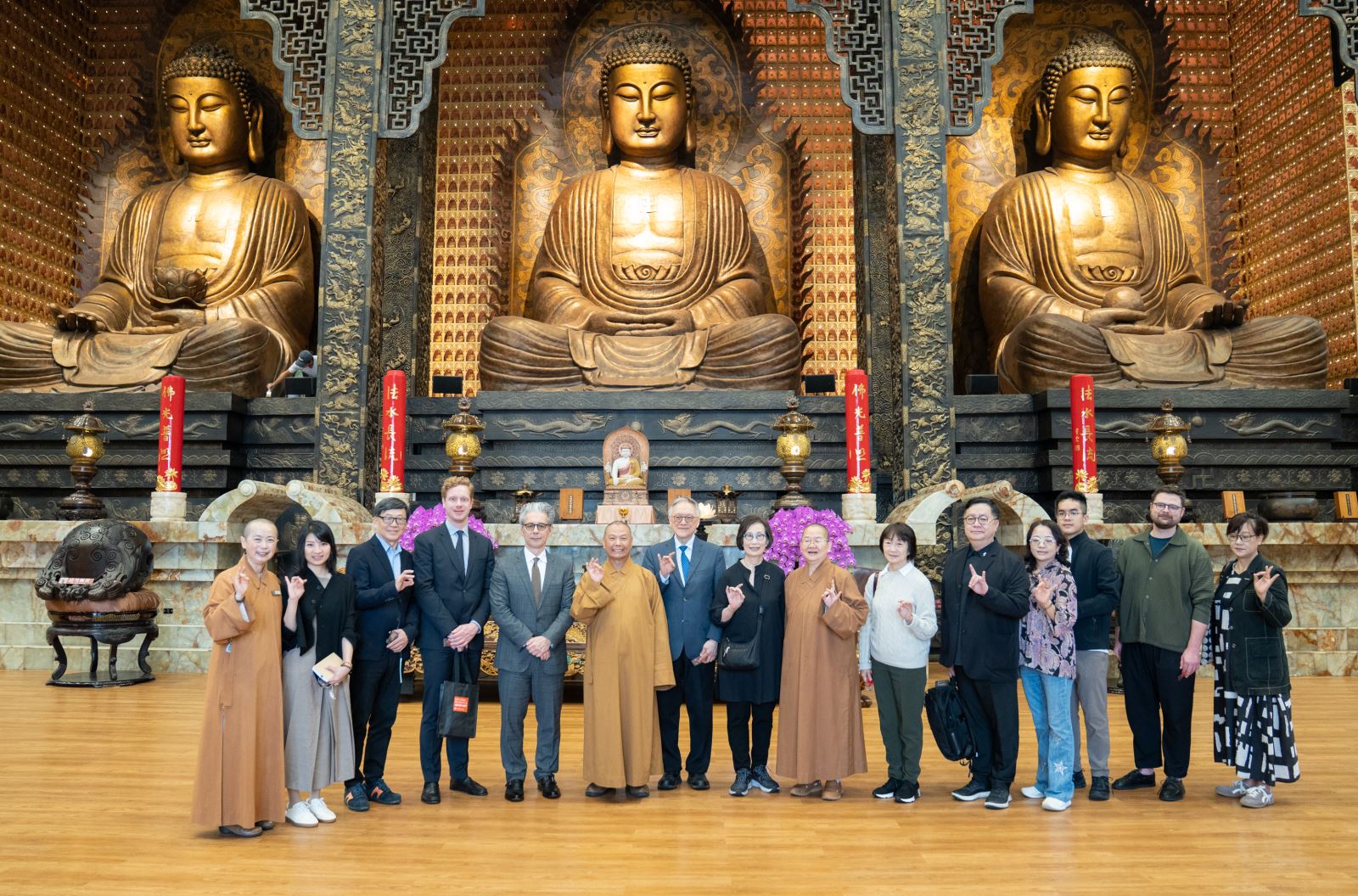
美國史密森尼亞洲藝術博物館蔡斯・羅賓遜館長一行參訪佛光山大雄寶殿,佛光山常務副住持慧傳法師及館長如常法師共同合影
“Very few museums have policies that allow returns for ethical reasons, not legal reasons,” Robinson concluded. By prioritizing transparency and self-reflection, the National Museum of Asian Art is setting a new international benchmark for the stewardship of cultural heritage.
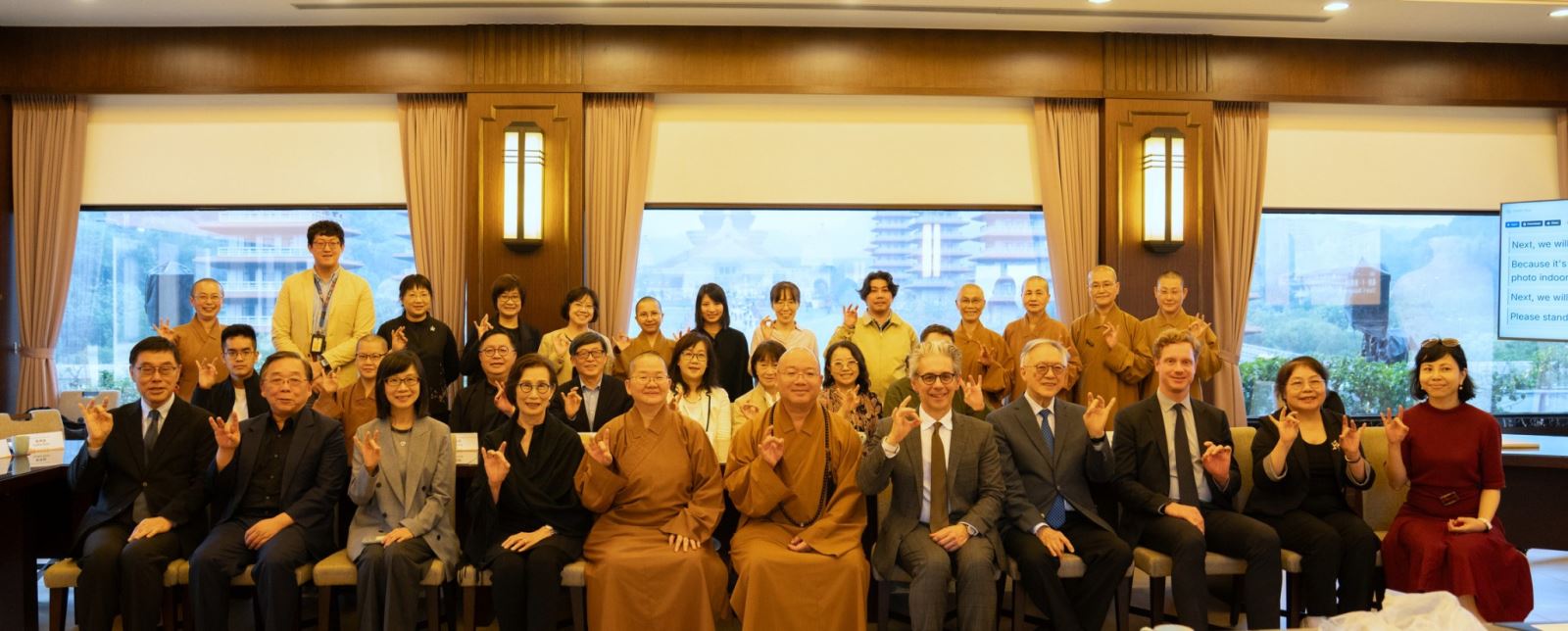
美國史密森尼亞洲藝術博物館館長蔡斯・羅賓遜(Chase F. Robinson)2月28日於佛陀紀念館發表「國立亞洲藝術博物館的第二個世紀:博物館作為全球資源」專題講座之後大合照